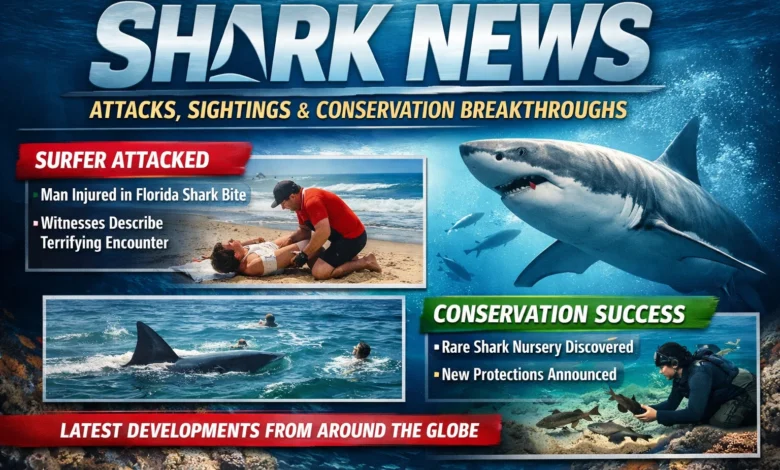
Sharks have always captured our imagination, blending mystery with a touch of danger. In recent months, shark news has dominated headlines, from harrowing attacks to exciting discoveries. Whether it’s a close encounter off a popular coast or new efforts to protect these ancient predators, there’s plenty to dive into. Let’s explore the latest developments that highlight why sharks remain a hot topic.
Recent Shark Attacks Stir Global Concern
Shark attacks, while rare, always make waves in the media. Over the past few weeks, Australia has seen a spike in incidents, reminding us of the unpredictable nature of ocean life. In Sydney, three separate attacks occurred within just over 24 hours, leaving a man and a young boy in critical condition.
Authorities suspect bull sharks in at least two of these cases. These aggressive swimmers thrive in murky waters, often near river mouths. Heavy rainfall had clouded the beaches, increasing risks. As a result, northern Sydney beaches closed temporarily, urging locals to stick to pools instead.
Tragically, a 12-year-old boy named Nico Antic succumbed to injuries from a shark bite in Sydney Harbor. This came days after another attack on a surfer nearby. Experts note that such clusters are unusual but linked to environmental factors like warmer waters drawing sharks closer to shore.
Shifting to South America, a 13-year-old boy lost his life to a shark while at a popular beach in Brazil. The incident happened during a family outing, underscoring how quickly fun can turn fatal. Officials identified it as a tiger shark, known for its opportunistic hunting.
In the Caribbean, a British tourist shared his survival story from a bull shark attack last year. Peter described the moment as surreal, with his mind racing at “1,000 miles an hour.” Despite the terror, he harbors no grudge against sharks, viewing them as vital to marine ecosystems.
Closer to home, the U.S. Virgin Islands mourned a woman killed in a suspected shark encounter. Arlene Lillis, an American vacationer, was found after going missing while snorkeling. Such events, though infrequent, prompt safety reminders for tourists.
In Israel, a diver fell victim to a dusky shark, a species usually shy around humans. Scientists warn that feeding bans could help prevent these rare aggressions. Overall, these stories show attacks often stem from mistaken identity rather than malice.
- Bull sharks: Involved in many shallow-water incidents due to their adaptability.
- Environmental triggers: Murky waters and climate changes heighten encounters.
- Safety tips: Avoid swimming at dawn or dusk, and heed beach closures.
While these tales evoke fear, statistics reveal unprovoked attacks number fewer than 100 yearly worldwide. Still, they fuel discussions on human-shark coexistence.
Rare Shark Sightings Spark Excitement Among Experts
Beyond attacks, shark news often celebrates awe-inspiring sightings. Off La Jolla Cove in California, young divers filmed a prickly shark, a deep-water dweller rarely seen by humans. Typically lurking thousands of feet below, this spiny creature surfaced in shallower zones, thrilling the group.
One diver admitted initial terror but later shared the video with Scripps researchers. Confirmed as Echinorhinus cookei, the encounter highlights how ocean currents can bring hidden species into view. It’s a reminder of the vast unknowns beneath the waves.
In North Carolina, a massive 1,700-pound great white named Contender pinged near Cape Fear. Tagged by OCEARCH, this shark’s migration stirred local buzz. Marine experts track such movements to understand seasonal patterns, aiding conservation.
Similarly, a great white appeared off Mississippi’s coast, a rare Gulf sighting. Researchers link it to broader migrations, possibly seeking cooler waters amid warming oceans. These events underscore sharks’ role as ocean indicators.
Spain marked a milestone with a juvenile great white caught off its Mediterranean coast. Measuring about 210 cm, it prompted a 160-year review of records. Scientists confirmed sporadic presences, challenging assumptions about their extinction in the region.
Off Santa Monica, great whites roam near swimmers without incident. CNN’s Nick Watt got up close, exploring why Southern California attacks stay low despite proximity. Factors like abundant food sources keep sharks satiated away from humans.
In Ireland, shark hunting expeditions—scientific, not harmful—reveal thriving populations. BBC reports emphasize tagging for data, not trophies. Such sightings boost tourism, with eco-tours offering safe glimpses.
- Prickly sharks: Deep-sea nomads with unique spines for defense.
- Great whites: Icons of power, often misunderstood as man-eaters.
- Tracking tech: Satellites help map journeys, revealing migration secrets.
These discoveries not only excite but educate, showing sharks as more than threats—they’re survivors adapting to changing seas.
Advances in Shark Conservation and Research
Shark news isn’t all about drama; conservation strides offer hope. The IUCN Shark Specialist Group’s latest magazine, Shark News Issue 10, details global efforts. From policy wins to fieldwork, it showcases progress against overfishing.
Overfishing remains a top threat, with sharks targeted for fins and meat. Sites like SharkNewz highlight misleading labels on U.S. markets, where endangered species slip through. Advocacy pushes for stricter regulations to curb this.
OCEARCH leads with real-time tracking, sharing data on sharks like Nukumi and Mary Lee. Their expeditions educate youth, fostering future stewards. By balancing oceans, they aim to restore abundance.
In the Mediterranean, researchers warn great whites face extinction from illegal fishing. BBC notes overfishing’s toll, calling for protected zones. Collaborative studies track declines, urging international action.
Shark Week 2025 on Discovery amplified these messages, featuring women-led research. Highlights included mako swims in Rhode Island and whale shark encounters. Programs like “Shark Beach with Anthony Mackie” blend entertainment with facts.
National Aquariums host daily shark talks, debunking myths. Visitors learn about blacktip reef sharks, seeing them as ecosystem balancers rather than villains.
A spear fisherman’s ordeal after a shark bite emphasized human impacts. His story, shared on UnderwaterTimes, calls for sustainable practices to reduce conflicts.
- Key threats: Overfishing, habitat loss, and bycatch in nets.
- Success stories: Bans on finning in more countries.
- How to help: Support marine protected areas and choose sustainable seafood.
These initiatives prove informed actions can turn the tide for sharks.
Scientific Breakthroughs Shed Light on Shark Mysteries
Diving deeper, recent studies reveal fascinating shark behaviors. Phys.org covered the Spanish great white, sparking reviews of historical data. Findings suggest resilient populations, offering optimism.
In Australia, post-attack analyses link incidents to bull shark territories. Experts use this to predict risks, improving beach safety protocols.
AP News reports on east coast attacks, noting patterns in surfer encounters. Research shows sharks mistake boards for seals, a simple mix-up.
Guardian articles discuss shark declines, with Brigid Delaney exploring cultural fears. Yet, science counters with data on their ecological importance.
Independent highlights Shark Week’s shine on species like massive makos and baby angels. These specials demystify, turning viewers into advocates.
BBC delves into Ireland’s shark seas, where tagging uncovers migration routes. Such knowledge aids in creating no-fish zones.
- Migration patterns: Tracked via satellites for conservation mapping.
- Behavioral insights: Sharks hunt efficiently, rarely targeting humans.
- Future research: Genetics to combat inbreeding in small populations.
These breakthroughs enhance our understanding, bridging gaps between fear and respect.
The Cultural Impact of Shark News
Sharks permeate pop culture, from movies to memes. Recent news fuels this, with X posts buzzing about sightings. One user shared a seal evading orcas—wait, sharks?—sparking debates.
Video games and art feature sharks, like in No Man’s Sky mods. Fans create military corvettes inspired by shark forms, blending fantasy with reality.
Social media amplifies stories, from cute shark loves to attack survival tales. It humanizes these creatures, shifting perceptions.
Events like PROGRESS Wrestling use shark themes in anthems, showing broad appeal. “Blood Shark” tracks energize crowds, tying into primal excitement.
- Media portrayals: From Jaws to documentaries, evolving views.
- Online buzz: X threads discuss everything from attacks to conservation.
- Educational outreach: Aquariums and apps make learning fun.
This cultural lens keeps shark news engaging for all ages.
Conclusion: Navigating the Future of Shark News
As we wrap up this dive into shark news, it’s clear these ocean guardians face challenges but also inspire action. From Sydney’s attacks to La Jolla’s rare sightings, each story teaches us about balance in nature. Conservation efforts, backed by science, offer a path forward.
Remember, sharks aren’t villains—they’re essential for healthy seas. By staying informed and supporting protections, we can ensure their survival. Keep an eye on the waves; who knows what shark news will surface next?