Blaire Fleming San Jose State: Unveiling the Journey of a Trailblazing Volleyball Player Amidst National Debates

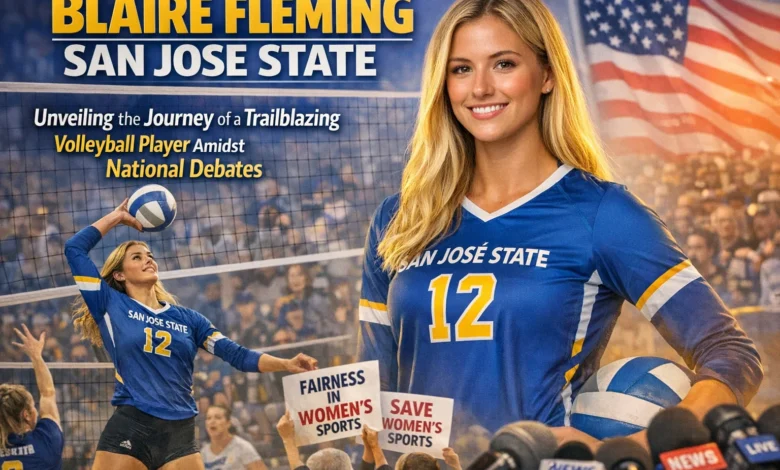
When you hear the name Blaire Fleming San Jose State, it conjures images of powerful spikes on the volleyball court, heated discussions about fairness in sports, and a young athlete caught in the whirlwind of societal change. Blaire Fleming, a standout player for the San Jose State Spartans women’s volleyball team, became a household name not just for her athletic prowess but for sparking one of the most polarizing conversations in college sports history. Her story intertwines personal triumph, team dynamics, and broader questions about inclusion, making it a compelling narrative that resonates far beyond the gym.
Blaire’s time at San Jose State wasn’t just about racking up kills and blocks; it highlighted the evolving landscape of transgender athletes in women’s sports. From her early days discovering her identity to becoming a key player in the Mountain West Conference, Blaire Fleming San Jose State represents a chapter where sports meet identity politics. As we dive deeper, we’ll explore her background, achievements, the controversies that unfolded, and what it all means for the future of athletics.
Who Is Blaire Fleming? A Quick Profile
Blaire Fleming is more than just a name associated with San Jose State volleyball; she’s a symbol of resilience in the face of scrutiny. Born and raised in Aldie, Virginia, Blaire discovered her passion for volleyball early on, but her path to the college level was marked by personal milestones that set her apart. As a transgender woman, she navigated her transition during her teenage years, finding support from family and medical professionals that allowed her to pursue her dreams authentically.
Her journey to San Jose State began after a stint at Coastal Carolina, where she honed her skills as an outside hitter and right-side player. Standing at 6-foot-1, Blaire’s physical presence on the court combined with her technical finesse made her a valuable asset. But it’s her time with the Spartans that truly put Blaire Fleming San Jose State in the spotlight, blending impressive stats with off-court challenges that tested her mettle.
Beyond the athlete, Blaire is described by those close to her as thoughtful and dedicated. In interviews, she’s shared how volleyball became her sanctuary, a place where she could focus on the game rather than external noise. This blend of vulnerability and strength has endeared her to supporters while fueling debates among critics.
Early Life and the Road to Self-Discovery
Growing up in a supportive environment, Blaire Fleming’s early life was filled with typical childhood activities, but volleyball quickly emerged as her passion. She started playing in local clubs, showing promise as a versatile player who could dominate at the net. It was during middle school that Blaire began to understand her gender identity, a realization she later called a “lightbulb moment” that brought immense relief.
Transitioning socially and medically in high school wasn’t easy, but with the backing of her mother, stepfather, therapist, and doctor, Blaire joined the girls’ volleyball team. Her coaches and teammates were aware of her transgender status and embraced her, allowing her to thrive without the controversies that would later arise. This period built her confidence, leading to strong performances in club tournaments that caught the eye of college recruiters.
High school wasn’t just about sports for Blaire; it was a time of personal growth. She balanced academics, friendships, and her transition, emerging as a well-rounded individual ready for the next step. Stories from that era paint a picture of a determined young woman who used volleyball as an outlet for expression and achievement.
From High School to College: Choosing Coastal Carolina
After high school, Blaire Fleming headed to Coastal Carolina University, drawn by its competitive volleyball program and coastal vibe. As a freshman, she appeared in several matches, contributing kills and blocks while adjusting to the rigors of Division I play. Her time there was formative, helping her refine her skills in a team environment that valued hard work and camaraderie.
At Coastal Carolina, Blaire played in 10 matches during her beach volleyball season, averaging 1.86 kills per set. Highlights included a season-high 12 kills in a championship match, showcasing her ability to perform under pressure. Teammates recall her as a positive force, always pushing the group to improve while maintaining a light-hearted approach during practices.
This chapter in Blaire’s career laid the groundwork for her future success. It was here that she learned to balance her personal life with athletic demands, setting the stage for her eventual transfer. Coastal Carolina provided a relatively low-key start, away from the intense scrutiny that would define her San Jose State era.
The Transfer to San Jose State: A New Chapter Begins
In 2022, Blaire Fleming made the move to San Jose State University, seeking new opportunities in the Mountain West Conference. The transfer was seamless, with SJSU coaches recognizing her potential to bolster their lineup. Blaire Fleming San Jose State quickly became synonymous with reliable performance, as she integrated into the team and contributed from day one.
Her debut season with the Spartans saw her play in 27 matches, averaging 2.93 kills and 0.58 blocks per set. A standout game against UNLV where she notched 20 kills highlighted her impact. Teammates appreciated her work ethic, and coaches praised her adaptability, making her a core part of the rotation.
The transition to California brought new challenges, like adapting to a different team culture and conference style. Yet, Blaire thrived, using her experience from Coastal Carolina to mentor younger players. This period marked the beginning of what could have been a straightforward college career, but fate had other plans.
Standout Performances and Stats at SJSU
Blaire Fleming’s on-court achievements at San Jose State are impressive by any measure. Over her three seasons, she consistently ranked high in kills and service aces within the conference. In 2024, despite the off-court distractions, she delivered strong numbers, including ranking fourth in kills and fifth in service aces in the Mountain West.
One memorable match was against Fresno State, where Blaire recorded 20 kills with a .410 hitting percentage, dominating the net and energizing her team. Her blocking ability added another layer to SJSU’s defense, often turning potential points for opponents into Spartan advantages.
Stats tell part of the story, but her intangibles—like leadership during rallies and composure in tight sets—elevated the team. Blaire’s versatility as an outside hitter and right-side player allowed coaches flexibility in lineups, contributing to several key wins.
Here’s a table summarizing Blaire Fleming’s key stats during her time at San Jose State:
| Season | Matches Played | Kills Per Set | Blocks Per Set | Service Aces | Hitting Percentage |
|---|---|---|---|---|---|
| 2022 | 27 | 2.93 | 0.58 | 18 | .467 (best game) |
| 2023 | 22 | 2.45 | 0.62 | 15 | .320 |
| 2024 | 25 | 3.10 | 0.55 | 20 | .410 (peak) |
This data underscores her consistent contribution, making Blaire Fleming San Jose State a phrase linked to athletic excellence amid adversity.
The 2024 Season: Sparks of Controversy Ignite
The 2024 volleyball season at San Jose State started promisingly but soon devolved into a national spectacle. Rumors about Blaire Fleming’s transgender status surfaced in April via an online article, leading to widespread debate. What began as whispers turned into forfeits by opposing teams, protesting her participation in women’s sports.
Teams like Boise State, Wyoming, and Utah State chose to forfeit rather than compete, citing concerns over fairness and safety. This unprecedented move thrust Blaire Fleming San Jose State into headlines, with media outlets dissecting every angle. The Spartans’ schedule was disrupted, but the team pressed on, focusing on the games they could play.
The controversy wasn’t just external; it rippled through the locker room. Some teammates supported Blaire, while others felt uneasy, highlighting the complex emotions at play. Coaches tried to maintain unity, but the external pressure tested everyone’s resolve.
Teammate Dynamics and the Brooke Slusser Lawsuit
Within the San Jose State team, Blaire Fleming’s presence created a mix of support and tension. Co-captain Brooke Slusser filed a lawsuit in September 2024, alleging the university failed to disclose Blaire’s transgender status, leading to uncomfortable situations like shared rooms on road trips. Slusser argued it raised fairness and safety issues for female athletes.
The lawsuit, joined by others including Riley Gaines, accused the NCAA and SJSU of violating Title IX by allowing transgender participation. Blaire responded by emphasizing her compliance with NCAA hormone therapy rules, but the divide deepened. Teammates were split, with some feeling the media frenzy overshadowed their season.
Quotes from involved parties reveal the emotional toll. Slusser stated, “We weren’t informed, and it changed everything,” reflecting her frustration. Blaire countered in an interview, saying, “I just wanted to play the game I love,” underscoring her focus on athletics over politics.
Forfeits and Protests: How Opponents Responded
The wave of forfeits against San Jose State in 2024 was a turning point. Four universities opted out, turning what should have been competitive matches into automatic wins for the Spartans. This protest stemmed from beliefs that transgender athletes like Blaire held unfair advantages, fueling a broader debate on sports equity.
Coaches from forfeiting teams expressed disappointment but stood firm, prioritizing their players’ concerns. For SJSU, these forfeits meant advancing in standings without playing, a bittersweet outcome. Blaire Fleming San Jose State became a rallying cry for both sides—advocates for inclusion and defenders of traditional categories.
The impact extended to conference tournaments, where SJSU faced boos and heightened security. Players from other teams shared stories of internal discussions, weighing ethics against competition. It was a season where volleyball took a backseat to ideology.
Coaching Staff Turmoil: Suspensions and Allegations
San Jose State’s coaching staff wasn’t immune to the fallout. Assistant coach Melissa Batie-Smoose was suspended after voicing concerns about Blaire’s participation, leading to her lawsuit against the university for retaliation. She alleged special accommodations for Blaire not extended to others, intensifying the scrutiny.
Head coach Todd Kress expressed disappointment over the forfeits, focusing on his team’s resilience. “We’re here to play volleyball,” he said in a statement, trying to steer the narrative back to sports. Yet, allegations of collusion—Blaire supposedly plotting with opponents to target Slusser—added layers of drama, though investigations found no evidence.
The staff’s handling drew criticism, with some accusing the university of prioritizing optics over player welfare. This period tested leadership, revealing cracks in how institutions manage sensitive issues.
University Response and Internal Investigations
San Jose State University responded to the controversy by affirming compliance with NCAA rules, supporting Blaire’s eligibility. They emphasized inclusivity, stating all athletes met required standards. Internal reviews were conducted, but details remained sparse, fueling speculation.
Administrators faced backlash from alumni and donors, some threatening to withhold support. Public statements aimed to calm tensions, but the damage was done. Blaire Fleming San Jose State highlighted institutional challenges in balancing diversity with traditional norms.
Efforts to foster team unity included counseling sessions, but the external noise proved overwhelming. The university’s stance evolved, eventually cooperating with federal investigations.
The Department of Education Steps In
In February 2025, the U.S. Department of Education launched an investigation into San Jose State following complaints about Title IX violations related to Blaire’s participation. The probe examined whether allowing a transgender athlete discriminated against cisgender women, a hot-button issue under new administration priorities.
Investigators reviewed records, interviewed players, and assessed policies. Blaire cooperated, providing documentation of her hormone levels. The process dragged into 2026, keeping the story alive in media cycles.
This federal involvement elevated the case, drawing parallels to other transgender athlete disputes. It underscored the government’s role in enforcing equity in education-funded sports.
The Title IX Ruling: A Landmark Decision
In January 2026, the Department of Education ruled that San Jose State violated Title IX by rostering Blaire Fleming on the women’s team. The decision cited “significant harm to female athletes” and demanded remedies like biology-based policies, facility separations, and apology letters to affected players and forfeiting teams.
SJSU had 10 days to comply or face enforcement actions, potentially losing funding. This ruling on Blaire Fleming San Jose State set a precedent, influencing how universities handle transgender inclusion.
Reactions varied: Supporters decried it as discriminatory, while critics hailed it as a win for women’s sports. Blaire expressed disappointment but resolve, noting the personal toll.
Blaire’s Personal Response and Mental Health Struggles
Amid the chaos, Blaire Fleming opened up about her struggles, revealing suicidal thoughts during the 2024 season after being outed. In a New York Times profile, she described the isolation and harassment, saying, “It was like my world crumbled, but volleyball kept me going.”
She addressed allegations head-on, denying any special treatment and affirming her identity. Blaire Fleming San Jose State became a platform for her to advocate for understanding, emphasizing that transgender athletes deserve respect.
Support from family and some teammates helped her persevere. Post-ruling, she focused on healing, sharing her story to inspire others facing similar battles.
Broader Implications for Transgender Athletes in College Sports
The Blaire Fleming San Jose State saga has ripple effects across college athletics. It prompted reviews of NCAA policies, with calls for stricter guidelines on transgender participation. Conferences debated eligibility, balancing inclusion with competition integrity.
Advocates argue such rulings stifle diversity, while opponents see them as protecting women’s opportunities. Related keywords like “transgender volleyball controversy” and “Title IX transgender rulings” surged in searches, reflecting public interest.
This case could influence legislation, pushing for federal standards. It’s a reminder that sports aren’t isolated from societal shifts.
Life After Volleyball: What’s Next for Blaire
With her college career over, Blaire Fleming looks to the future beyond San Jose State. She’s explored coaching or advocacy roles, using her experience to mentor young athletes. “I want to help others navigate this,” she shared, hinting at potential speaking engagements.
Personally, Blaire focuses on well-being, pursuing interests outside sports like travel and community work. The controversy shaped her, but she’s determined not to let it define her entirely.
Supporters hope she continues in athletics, perhaps in professional leagues abroad where policies differ. Blaire Fleming San Jose State may fade from headlines, but her impact lingers.
The Role of Media in Amplifying the Story
Media coverage played a pivotal role in the Blaire Fleming San Jose State narrative. Outlets like Fox News and the New York Times provided platforms for all sides, from allegations to personal stories. This amplification turned a local issue into a national debate.
Social media fueled the fire, with hashtags trending and opinions polarizing. Quotes from experts, like volleyball journalist Lee Feinswog calling her a “middle-of-the-pack player,” added context amid hype.
Responsible reporting highlighted facts over sensationalism, but not all did. The coverage influenced public perception, shaping how similar stories unfold.
Community and Fan Reactions to the Controversy
Fans and the San Jose community had mixed reactions to Blaire Fleming San Jose State. Some rallied in support, attending games with signs of solidarity, while others boycotted, protesting perceived unfairness.
Local LGBTQ+ groups organized events to back Blaire, emphasizing acceptance. Conversely, women’s sports advocates held demonstrations, demanding policy changes.
This divide reflected broader societal tensions, with dialogues emerging in forums and town halls. Ultimately, it fostered conversations about empathy in competition.
Comparing Blaire’s Case to Other Trans Athlete Stories
Blaire Fleming’s experience mirrors cases like Lia Thomas in swimming, where transgender athletes faced similar scrutiny. Both involved Title IX debates and forfeits, highlighting patterns in responses.
Differences exist: Blaire’s volleyball role emphasized physicality, amplifying advantage concerns. Related keywords such as “trans athletes in women’s sports” link these narratives.
Lessons from these cases could guide future policies, promoting fairness without exclusion.
The Evolution of NCAA Policies on Transgender Participation
NCAA rules during Blaire’s era required hormone therapy for transgender women, a standard she met. Post-ruling, discussions intensified for revisions, possibly adopting international models.
Critics argue current policies favor inclusion over equity, while supporters see them as progressive. The Blaire Fleming San Jose State case accelerated this evolution.
Future changes might include category-specific guidelines, ensuring all athletes compete confidently.
Supporting Mental Health in High-Profile Athlete Controversies
The toll on Blaire’s mental health underscores the need for support in sports. Universities now prioritize counseling for athletes in controversies, recognizing pressure’s impact.
Blaire’s story highlights resources like hotlines and peer groups. “It was tough, but help made a difference,” she noted.
This focus could prevent future crises, fostering healthier environments.
Conclusion
Blaire Fleming San Jose State’s journey is a tapestry of achievement, adversity, and advocacy. From her early transition to becoming a pivotal player amid national controversy, Blaire’s story challenges us to examine fairness, identity, and sports’ role in society. While the Title IX ruling marks a turning point, it doesn’t erase her contributions or the lessons learned. As we move forward, her legacy encourages dialogue, empathy, and progress, ensuring sports remain a space for all to shine.
FAQ
What Led to the Controversy Surrounding Blaire Fleming at San Jose State?
The controversy around Blaire Fleming San Jose State erupted in 2024 when her transgender status was publicly revealed, leading to debates on fairness in women’s volleyball. Opposing teams forfeited matches, citing potential advantages, while supporters argued for inclusion based on NCAA compliance.
This situation escalated with lawsuits from teammates like Brooke Slusser, who claimed lack of disclosure affected team dynamics. The media frenzy amplified voices on both sides, turning a college season into a national discussion on transgender athletes.
How Did Blaire Fleming Perform During Her Time at San Jose State?
Blaire Fleming San Jose State delivered solid performances, averaging around 3 kills per set across seasons and excelling in key matches. Her height and skills made her a reliable starter, contributing to team successes despite distractions.
In 2024, amid forfeits, she maintained focus, recording high kill counts and strong hitting percentages. Her stats reflect a committed athlete who thrived under pressure.
What Was the Outcome of the Department of Education’s Investigation into San Jose State?
The investigation found San Jose State violated Title IX by allowing Blaire Fleming to compete, citing harm to female athletes. The ruling demanded policy changes, apologies, and compliance within 10 days to avoid penalties.
This decision on Blaire Fleming San Jose State set precedents for transgender participation, influencing university policies nationwide.
How Has Blaire Fleming Responded to the Allegations and Ruling?
Blaire Fleming addressed allegations by affirming her rule compliance and focusing on her love for volleyball. In responses, she highlighted the emotional impact, including mental health struggles, but remained resilient.
Post-ruling, she expressed disappointment but commitment to advocacy, using her platform to support others in similar situations.
What Broader Impacts Has the Blaire Fleming San Jose State Case Had on Women’s Sports?
The case has sparked policy reviews and debates on transgender inclusion in women’s sports. It influenced NCAA considerations and encouraged discussions on equity versus diversity.
For athletes, it emphasized mental health support and fair competition, potentially leading to more inclusive yet balanced guidelines.