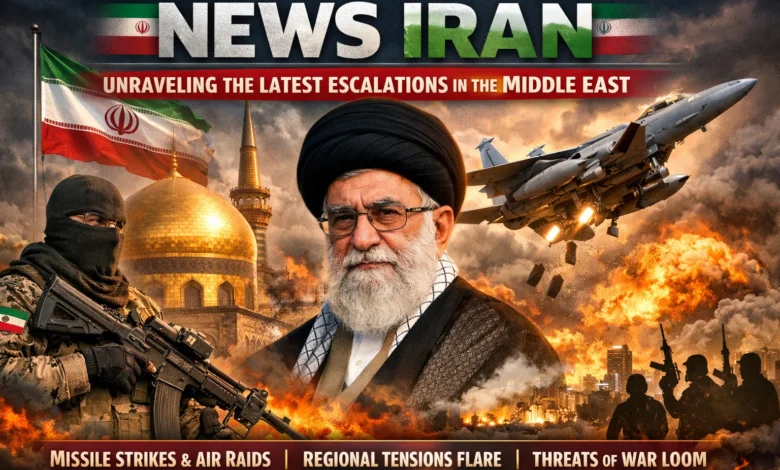
When it comes to news Iran, the world is watching with bated breath as tensions boil over into what could be one of the most significant conflicts of our time. Just days ago, on February 28, 2026, a coordinated series of strikes by the United States and Israel targeted key Iranian sites, including leadership, military installations, and nuclear facilities. This bold move has sparked widespread retaliation from Iran, drawing in neighboring countries and sending shockwaves through global markets. As someone who’s followed Middle Eastern affairs for years, I can tell you this isn’t just another flare-up—it’s a pivotal moment that could reshape the region’s power dynamics.
The strikes reportedly aimed at inducing regime change and neutralizing Iran’s nuclear ambitions, with U.S. President Donald Trump emphasizing the need to dismantle Iran’s missile capabilities and end its support for militant groups. Iran’s response has been swift and fierce, launching missiles and drones at American bases in the Gulf and even closing the vital Strait of Hormuz, a choke point for global oil supplies. Civilians are caught in the crossfire, with reports of casualties mounting on all sides. This news Iran update highlights how quickly a long-simmering rivalry has erupted into open warfare, affecting everything from oil prices to international diplomacy.
But let’s not jump ahead—understanding the roots of this crisis is key to grasping why news Iran dominates headlines today. Iran has long been a flashpoint in global politics, with its theocratic government clashing against Western influences and regional rivals like Israel and Saudi Arabia. The death of Iran’s Supreme Leader, Ayatollah Ali Khamenei, in these initial strikes has left a power vacuum, prompting an interim council to step in while the country grapples with internal unrest and external threats. Protests have erupted in cities like Tehran, where citizens chant against the regime, amplified by social media despite widespread internet blackouts imposed by authorities.
The Origins of the Current Conflict in News Iran
Diving deeper into news Iran, the current escalation didn’t happen overnight. Tensions have been building for decades, rooted in Iran’s nuclear program, its support for proxy groups like Hezbollah and the Houthis, and its defiance against international sanctions. Back in the early 2000s, Iran was labeled part of the “Axis of Evil” by the U.S., setting the stage for ongoing confrontations. Fast forward to 2026, and the U.S.-Israel alliance has taken decisive action, launching over 2,000 strikes in the first few days alone, focusing on air defenses, retaliatory capabilities, and command structures.
What’s fascinating—and terrifying—about this news Iran development is how it intertwines with broader geopolitical shifts. President Trump’s administration has signaled readiness for a protracted fight, warning that the “big wave” of attacks is yet to come. Israeli Prime Minister Benjamin Netanyahu echoes this, stating the war won’t drag on for years but could be “quick and decisive.” Meanwhile, Iran remains defiant, with officials like Ali Larijani calling Trump’s objectives “delusional” and vowing a long war. This back-and-forth rhetoric keeps the world on edge, as each side tests the other’s resolve.
Beyond the military aspects, news Iran reveals economic undercurrents. Iran’s economy, already strained by sanctions, faces further isolation with the closure of the Strait of Hormuz, which could disrupt 20% of global oil supplies. Analysts predict surging gas prices worldwide, with U.S. motorists already feeling the pinch. It’s a reminder that conflicts like this aren’t isolated—they ripple out, affecting everyday lives far from the battlefields.
Key Military Developments in Recent News Iran
Turning to the battlefield, news Iran is filled with reports of intense airstrikes and counterattacks. Israel has hit sites in Tehran and Beirut simultaneously, targeting Iranian military bases and even state TV. In retaliation, Iran has struck U.S. embassies and energy infrastructure across the Gulf, including a drone attack on the U.S. embassy in Riyadh that caused minor damage. The Islamic Revolutionary Guard Corps (IRGC) announced the Strait’s closure, escalating fears of a broader naval confrontation.
These actions mark a significant escalation from previous skirmishes. Satellite imagery shows damage to Iranian missile bases, like one near Najafabad, where buildings were obliterated. The U.S. has ordered non-emergency personnel to evacuate from several Middle Eastern countries, urging Americans to leave the region immediately. It’s chaotic, with Hezbollah entering the fray by firing rockets into northern Israel, prompting strikes on Beirut.
On the ground in Iran, security forces are clashing with protesters amid an internet blackout operating at just 1% connectivity. Cyberattacks have hacked Iranian news sites, displaying messages urging forces to join civilians. This multifaceted warfare—air, ground, cyber—makes news Iran a complex story, where technology and traditional combat blend in unpredictable ways.
International Reactions to Breaking News Iran
As news Iran unfolds, the global community is reacting with a mix of condemnation and caution. The United Nations has urged restraint, highlighting the risk of further civilian casualties and regional instability. European leaders, via outlets like Euronews, are monitoring the situation closely, with live updates emphasizing the war’s potential to last weeks. China has criticized the strikes as violations of sovereignty, evacuating thousands of its citizens from Iran.
Allied nations like the UK have expressed concerns, with Prime Minister Keir Starmer updating Parliament on Iran’s attacks on non-involved countries such as the UAE and Saudi Arabia. In the U.S., there’s scrutiny over Trump’s endgame, with questions about public support for another Middle East war. This news Iran saga is testing alliances, as Gulf states host U.S. bases while facing Iranian reprisals.
Humanitarian aspects can’t be ignored. Reports of raids on hospitals and arbitrary arrests paint a grim picture of internal repression. The diaspora is divided, with some celebrating potential change while others decry the suffering. It’s a humanitarian crisis wrapped in geopolitical maneuvering.
Economic Impacts Stemming from News Iran
No discussion of news Iran is complete without addressing the economic fallout. Oil prices have surged as Iran targets energy infrastructure, with the Strait’s closure threatening supply chains. This could lead to higher inflation globally, hitting consumers hard. In Kenya, for instance, a $5 billion tea export deal with Iran is in jeopardy due to sanctions and tensions.
Stock markets are volatile, with defense stocks rising while energy firms brace for disruptions. The U.S. economy, already navigating post-pandemic recovery, faces added pressure from potential gas price hikes. Iran’s own economy, reliant on oil exports, is crippled further, exacerbating internal grievances that fuel protests.
Long-term, this news Iran event could shift energy dependencies, pushing nations toward renewables or alternative suppliers. It’s a stark reminder of how intertwined global economies are with Middle Eastern stability.
Humanitarian Crisis Unfolding in News Iran
Amid the bombs and rhetoric, news Iran brings heartbreaking stories of human suffering. Strikes have hit civilian areas, including a school where 160 children reportedly died, drawing international outrage. Families are forced to pay exorbitant sums for bodies of loved ones, or sign false affiliations with the regime.
Protests continue despite crackdowns, with chants echoing in Tehran squares. Women and youth are at the forefront, demanding change amid fears of abductions and raids. The regime’s response—checkpoints, blackouts, and violence—only intensifies the cycle.
International aid is hampered by the conflict, but calls for responsibility to protect (R2P) civilians are growing. This aspect of news Iran underscores the human cost behind the headlines.
Timeline of Events in the Iran Crisis
To make sense of the rapid developments in news Iran, here’s a table outlining key events:
| Date | Event | Details |
|---|---|---|
| February 28, 2026 | US-Israel Strikes Begin | Coordinated attacks on Iranian leadership, nuclear sites, and military bases; Supreme Leader Khamenei killed. |
| March 1, 2026 | Iranian Retaliations | Missiles launched at Gulf states and Israel; internet blackout imposed. |
| March 2, 2026 | Escalation in Beirut and Tehran | Israel hits multiple cities; Strait of Hormuz closed. |
| March 3, 2026 | Embassy Attacks and Warnings | Drone strike on US embassy in Riyadh; evacuations ordered. |
This timeline captures the swift progression, highlighting how news Iran evolves daily.
Quotes from Leaders and Experts on News Iran
Leaders’ words shape public perception in news Iran. President Trump stated, “The biggest surprise of the war has been Iran’s attacks against Arab countries.” Netanyahu added, “It’s not going to take years. It’s not an endless war.”
Experts like Amin Saikal note, “Iran’s regime was built for survival. A long war is now likely.” Iranian official Larijani called it “delusional fantasies.” These quotes reveal the defiance and determination on both sides.
Potential Future Scenarios in News Iran
Looking ahead, news Iran could go several ways. A quick regime collapse might lead to negotiations, as Trump hints at easier nuclear talks post-strikes. Alternatively, prolonged conflict risks drawing in more nations, like Hezbollah’s involvement suggests.
Economic sanctions could force concessions, but Iran’s resilience—built over decades—might prolong the fight. Global powers like China and Russia could mediate or escalate, depending on interests.
The wildcard is internal unrest; if protests topple the regime from within, it could end faster than military action alone.
The Role of Media in Covering News Iran
Media plays a crucial role in shaping news Iran narratives. Outlets like CNN and Al Jazeera provide live updates, while social media amplifies voices from the ground despite blackouts. However, misinformation spreads easily, with hacked sites adding chaos.
Independent journalism is vital for balanced views, countering biased reports. As consumers, we must cross-check sources to understand the full picture.
Cultural and Social Dimensions in News Iran
Beyond politics, news Iran touches on cultural shifts. Protests feature symbols like the pre-revolution Lion and Sun flag, signaling desire for change. Women’s rights, a flashpoint since 2022, resurface amid crackdowns.
Socially, the diaspora debates online, some exposing regime excesses. This cultural undercurrent adds depth to the conflict, showing it’s about identity as much as power.
Environmental Concerns Tied to News Iran
Environmental impacts often get overlooked in news Iran, but strikes on oil facilities risk spills in the Gulf, threatening marine life. The Strait’s closure could exacerbate pollution from rerouted shipping.
Long-term, nuclear site damage poses radiation risks. This highlights how wars harm ecosystems, with lasting effects on regional biodiversity.
Technological Aspects of the Conflict in News Iran
Technology is front and center in news Iran. Drones and missiles dominate, with U.S. MQ-9 Reapers involved. Cyber hacks disrupt communications, urging defections.
Starlink aids protesters, bypassing blackouts. This tech warfare could define future conflicts.
Conclusion
In wrapping up this deep dive into news Iran, it’s clear the situation is fluid and fraught with uncertainty. From military strikes to economic ripples and humanitarian pleas, the conflict touches every aspect of global affairs. While leaders like Trump and Netanyahu push for decisive action, the human cost reminds us of the need for diplomacy. As events unfold, staying informed on news Iran is crucial— not just for understanding the present, but for anticipating what comes next in this volatile region.
FAQ
What Triggered the Latest News Iran Conflict?
The recent news Iran escalation began with US and Israel strikes on February 28, 2026, targeting Iran’s leadership and military, resulting in Khamenei’s death. This was framed as a response to Iran’s nuclear threats and proxy activities. Iran retaliated by attacking regional targets, closing key waterways, and vowing prolonged resistance. The roots trace back to decades of tensions, but this marks a direct confrontation aimed at regime change.
Deeper analysis shows how sanctions and past deals like the JCPOA failed to curb ambitions, leading to this point. For those following news Iran, it’s a culmination of unresolved issues.
How Has News Iran Affected Global Oil Prices?
News Iran has driven oil prices up significantly due to attacks on energy sites and the Strait of Hormuz closure. This disrupts supplies, potentially adding dollars to gas pumps worldwide. Countries dependent on Gulf oil, like the US and Europe, feel the immediate impact.
Experts predict sustained high prices if the conflict drags on, influencing inflation and economic policies. Keeping an eye on news Iran is key for market watchers.
What Are the Humanitarian Impacts in News Iran?
The humanitarian toll in news Iran is severe, with civilian deaths from strikes and regime crackdowns on protesters. Hospital raids, body confiscations, and abductions create fear. Internet blackouts hinder aid coordination.
International calls for protection grow, but access remains limited. This aspect of news Iran demands global attention to prevent further atrocities.
How Are Protests Shaping News Iran?
Protests are a major force in news Iran, with citizens demanding change amid strikes. Chants against the regime echo in cities, despite violent suppression and blackouts.
These movements could tip the balance, pressuring the interim leadership. For news Iran followers, protests represent hope for internal reform.
What Might Resolve the Current News Iran Crisis?
Resolution in news Iran could come through negotiations, as Trump suggests post-strike talks on nuclear issues. However, defiance from both sides suggests a longer path. UN mediation or ceasefires might help.

