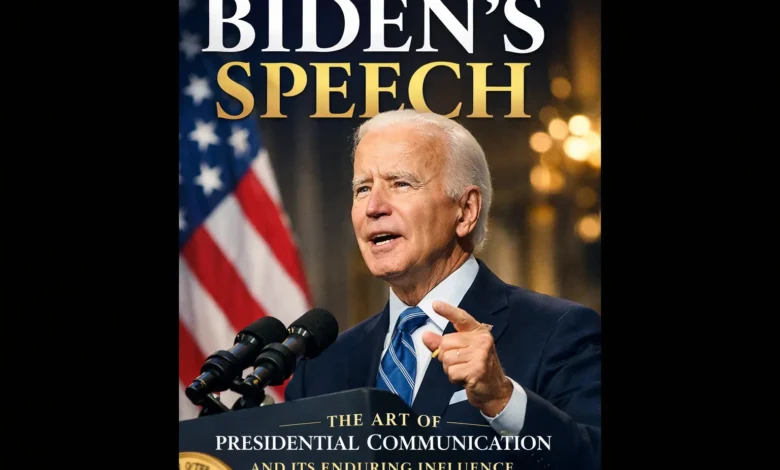
When you hear the phrase Biden’s speech, it often brings to mind those pivotal moments where a leader steps up to the podium and tries to steer a divided nation forward. Whether it’s addressing a national crisis or laying out a vision for the future, these addresses have become defining snapshots of his time in public service. Biden’s speech isn’t just words on a teleprompter; it’s a blend of personal storytelling, strategic messaging, and emotional connection that resonates with everyday Americans.
Over decades, from his early days in the Senate to his years as vice president and then commander in chief, Biden’s speech has evolved to reflect the challenges of the times. Think about it— in an era of soundbites and social media clips, these full-length deliveries stand out because they invite listeners to pause, reflect, and feel part of something bigger. His style mixes folksy charm with serious gravitas, making complex issues feel approachable without dumbing them down.
What makes Biden’s speech particularly compelling is how it weaves personal experience with national priorities. He’s faced immense personal loss, and that authenticity shines through, turning policy talks into heartfelt conversations. As we unpack the layers here, you’ll see how these addresses have influenced elections, policies, and even global perceptions of American leadership. From unity pleas to economic blueprints, each one offers a window into his worldview.
The Roots of Biden’s Speech: From Senate to Vice Presidency
Biden’s speech has deep roots in his long Senate career, where he honed the ability to build coalitions through clear, direct language that cut through partisan noise. Back then, he wasn’t delivering prime-time addresses to millions, but his committee hearings and floor debates laid the groundwork for the persuasive techniques we’d later see on the national stage. He learned early on that effective communication isn’t about flashy rhetoric—it’s about listening first and then framing arguments that bridge gaps.
During his time as vice president under Barack Obama, Biden’s speech took on a more supportive yet influential role. He often handled tough foreign policy briefings and domestic recovery talks after the Great Recession, using relatable anecdotes to explain complex bailouts or infrastructure plans. These moments showed his knack for turning bureaucratic details into human stories, like chatting about middle-class families struggling with bills. It wasn’t showy, but it built trust and set the stage for his later presidential run.
You can trace the consistency in his approach: always emphasizing empathy and pragmatism. Whether rallying support for the Affordable Care Act or addressing international allies, Biden’s speech focused on shared values rather than division. This foundation proved crucial when he stepped into the spotlight himself, proving that decades of practice create a communicator who’s comfortable in any room.
Biden’s Inaugural Address: A Masterclass in Unity and Healing
Right after a turbulent election and the shocking events at the Capitol, Biden’s speech on inauguration day in 2021 felt like a much-needed reset button for the country. He stepped to the podium with a clear mission: to lower the temperature and remind everyone that democracy had endured. The address was packed with calls for unity, using simple yet powerful phrases to paint a picture of America as a place of healing rather than endless conflict.
In that speech, Biden leaned heavily on metaphors like “dark winter” to describe the COVID-19 struggles and “path forward” for national recovery. He contrasted lies with truth, division with togetherness, drawing sharp lines without naming names directly. It was a clever way to acknowledge the chaos without escalating it further, inviting skeptics to join the conversation. Phrases like “We must end this uncivil war that pits red against blue” stuck with people because they captured the exhaustion many felt after years of polarization.
The rhetoric wasn’t accidental; it was designed to rebuild trust. By quoting scripture and historical figures, he connected the moment to America’s broader story of resilience. Listeners walked away feeling seen, especially when he pledged to be a president for all Americans, not just one side. This Biden’s speech set the tone for his entire administration, proving that words could start the long process of mending fences.
Breaking Down the 2024 State of the Union: Defiance and Policy Vision
Fast-forward to March 2024, and Biden’s speech during the State of the Union became one of his most combative yet focused deliveries. Facing re-election pressures, he used the platform to draw clear contrasts with his predecessor, referencing “my predecessor” over a dozen times to spotlight differences in everything from abortion rights to economic recovery. It was energetic, almost campaign-like, with Democrats chanting in support as he laid out achievements and future goals.
One standout section tackled reproductive freedoms head-on, calling out the overturning of Roe v. Wade and warning against further restrictions. Biden didn’t shy away from personal stories, like that of a Texas woman denied care, to humanize the stakes. On the economy, he touted job growth and infrastructure wins, asking audiences if they really believed the tax code favored regular folks over the wealthy. It was classic Biden—mixing stats with straight talk to make the case that progress was happening, even if it felt slow to some.
Foreign policy got airtime too, with strong words on Ukraine and a surprise announcement about building a temporary pier for Gaza aid. The speech blended optimism with urgency, challenging Congress to act while positioning Biden as the steady hand in turbulent times. Public reactions were mixed, but it fired up his base and gave independents something concrete to chew on about his leadership style.
Rhetorical Strategies That Make Biden’s Speech Stand Out
What sets Biden’s speech apart is the smart use of rhetorical tools that feel natural rather than forced. He often relies on repetition and pronouns like “we” to create a sense of shared purpose, pulling listeners into the narrative as active participants. In key addresses, you’ll notice metaphors that simplify big ideas—politics as a “raging fire” or democracy as something “precious and fragile”—making abstract concepts stick in your mind long after the applause fades.
Creativity shines through in how he highlights real-life issues without overwhelming details. He might reference historical protests or personal losses to magnify urgency, always tying them back to forward-looking solutions. Indirectness plays a big role too; instead of blunt attacks, he uses implications and contrasts to critique opponents while keeping the focus on unity. This approach builds credibility and avoids alienating moderates.
Intertextuality adds depth, with nods to Lincoln, the Bible, or past presidents that lend authority and emotional weight. Modality words like “will,” “can,” and “must” balance promises with possibilities, leaving room for collaboration. Overall, these elements make Biden’s speech feel conversational yet authoritative, expert enough for policy wonks but accessible for families at the dinner table.
Key Quotes That Capture the Essence of Biden’s Speech
Biden’s speech is full of memorable lines that distill complex ideas into punchy, relatable takeaways. One that often gets replayed is from his victory speech: “I pledge to be a president who seeks not to divide, but unify; who doesn’t see red states or blue states—only the United States.” It perfectly sums up his unifying ethos and reminds us why authenticity matters in leadership.
Another gem comes from the 2024 State of the Union: “Freedom and democracy are under assault at home as they are today.” This line framed the stakes clearly, urging action without panic. On economic recovery, he said, “For me, when I think about climate change, I think jobs,” linking environmental goals to everyday opportunities in a way that cuts through debate fatigue.
These quotes aren’t just soundbites; they reveal his core values—decency, possibility, and perseverance. They pop up in discussions years later because they capture the human side of governance, making Biden’s speech feel timeless even as contexts shift.
| Speech Event | Date | Key Themes | Notable Impact |
|---|---|---|---|
| Inaugural Address | January 20, 2021 | Unity, democracy, healing from division | Set tone for post-Capitol recovery and COVID response |
| First Address to Congress | April 28, 2021 | COVID recovery, infrastructure, racial justice | Boosted public approval on pandemic handling |
| State of the Union 2024 | March 7, 2024 | Economy, reproductive rights, foreign policy contrasts | Energized base and previewed campaign themes |
| Oval Office Address on Reelection | July 24, 2024 | Passing the torch, serving out term | Marked historic decision with grace and focus |
| Farewell Address | January 15, 2025 | Warnings on power concentration, democracy | Reflected on legacy as former leader |
This table highlights how Biden’s speech milestones align with major national moments, showing consistent threads of resilience and forward momentum.
Public and Media Reactions to Biden’s Speech Over Time
Reactions to Biden’s speech have varied widely, reflecting the polarized media landscape. Supporters often praise the empathy and detail-oriented approach, seeing it as a refreshing change from bombast. Polls after major addresses, like the 2024 State of the Union, showed strong approval among viewers for its clarity and vision, with many noting it humanized policy debates.
Critics, on the other hand, sometimes point to moments where delivery felt scripted or repetitive, arguing it didn’t always shift undecided voters. Yet even detractors acknowledge the consistency—Biden’s speech rarely strays into exaggeration, sticking to facts and personal conviction. Social media amplifies both sides, turning clips into viral debates that extend the conversation far beyond the live event.
Over the years, these addresses have influenced public opinion on issues like economic recovery and foreign aid. They spark think pieces, late-night monologues, and family dinner talks alike. What stands out is how Biden’s speech fosters dialogue, even when agreement isn’t universal, proving communication’s power in democracy.
Biden’s Speech on Foreign Policy: Global Leadership in Focus
Foreign policy features prominently in Biden’s speech, often framed as America’s role in a connected world rather than isolationist retreat. Addresses on Ukraine, for instance, emphasized standing with allies against aggression, using vivid language about freedom under attack to rally support. He avoided chest-thumping, instead stressing partnerships and shared sacrifices that benefit U.S. security at home.
In Middle East discussions, like the 2024 State of the Union, Biden balanced support for Israel with calls for humanitarian aid, announcing practical steps such as a temporary pier for Gaza. This pragmatic tone—acknowledging complexities while pushing for cease-fires—showed his experience negotiating tough deals. Audiences appreciated the realism, even if outcomes remained challenging.
These speeches underscore a consistent theme: diplomacy through strength and empathy. Biden’s speech here connects distant conflicts to American values, making global issues feel personal and urgent without oversimplifying.
Domestic Issues Spotlighted in Biden’s Speech
On the home front, Biden’s speech shines when tackling everyday concerns like jobs, health care, and justice. He frequently highlights infrastructure wins and drug price caps, using stories of families to illustrate broader progress. The economic messaging often contrasts past struggles with current gains, painting a picture of steady rebuilding after crises.
Racial justice and voting rights get heartfelt attention too, with references to systemic challenges framed as opportunities for collective action. Biden’s speech avoids lecturing, instead inviting collaboration across aisles to address root causes. This approach resonates because it feels grounded in real American experiences rather than abstract theory.
Whether discussing climate jobs or border security, the focus stays on solutions that lift the middle class. These domestic-focused deliveries reinforce his image as a leader who gets the struggles of working families.
How Biden’s Speech Compares to Other Presidents
Compared to predecessors, Biden’s speech stands out for its blend of folksiness and institutional respect. Unlike more bombastic styles, it prioritizes coalition-building language that echoes FDR’s fireside chats or Obama’s hope-filled oratory but with a distinctly Scranton-rooted authenticity. He uses fewer hyperboles, favoring steady assurance over dramatic flair.
Rhetorical analyses often note his effective use of “we” language to foster inclusion, similar to Lincoln’s unifying appeals during division. Yet Biden adds modern touches, like indirect critiques that keep focus on policy over personality. In an age of short attention spans, his speeches balance length with engagement, proving substance can still captivate.
This comparative edge highlights why Biden’s speech endures: it’s adaptive, empathetic, and rooted in service rather than spectacle.
The Impact of Biden’s Speech on American Politics and Policy
Biden’s speech has driven real policy shifts, from vaccine rollouts to infrastructure bills passed after public priming. By framing issues accessibly, these addresses build momentum for legislative wins, turning abstract proposals into voter priorities. They’ve also shaped electoral narratives, influencing turnout and debate focus.
Longer-term, the emphasis on unity has sparked conversations about democratic norms, even amid ongoing divides. Public discourse benefits as citizens engage more deeply with issues raised. In post-presidency reflections, these speeches contribute to his legacy as a communicator who prioritized healing over headlines.
The ripple effects extend globally, reinforcing perceptions of steady U.S. leadership. Ultimately, Biden’s speech demonstrates how thoughtful words can translate into tangible progress.
Behind the Scenes: Crafting and Delivering Biden’s Speech
Preparing Biden’s speech involves teams of writers, fact-checkers, and advisors who refine drafts for weeks. Personal touches—family stories or favorite phrases—get woven in to keep it genuine. Delivery practice focuses on pacing, pauses for emphasis, and connecting with live audiences or cameras.
Challenges like teleprompter glitches or crowd interruptions test adaptability, but Biden’s experience shines through. He often improvises lightly to maintain that human connection. This behind-the-scenes effort explains why the final product feels polished yet relatable.
Understanding the process adds appreciation for the craft, showing Biden’s speech as the result of deliberate teamwork rather than solo inspiration.
Biden’s Speech in the Post-Presidency Era: Continued Relevance
Even after leaving office, Biden’s speech retains influence through occasional addresses on democracy, economic fairness, and warnings about concentrated power. These reflect on lessons learned, offering perspective without daily White House pressures. They remind audiences that leadership extends beyond terms.
In 2025 appearances, themes of safeguarding institutions echo earlier calls, keeping public engagement alive. This phase shows evolution—more reflective, less urgent—yet consistent in core values.
Biden’s speech here cements a legacy of principled communication that inspires future leaders.
Conclusion
Biden’s speech represents more than isolated events; it’s a thread connecting personal conviction to national progress across decades. From Senate floors to Oval Office addresses, these moments highlight resilience, empathy, and the power of clear vision in turbulent times. As America navigates new challenges, the lessons from his oratory—unity over division, facts over fiction—remain vital guideposts.
Reflecting on the quotes, analyses, and impacts we’ve explored, it’s clear why Biden’s speech continues to spark discussion. It humanizes leadership, invites participation, and proves words can bridge gaps when delivered with heart. Whether you’re a history buff, policy follower, or casual observer, these addresses offer timeless insights into what effective communication looks like in practice. The story isn’t over, but the foundation laid through Biden’s speech will influence generations to come.
FAQ
What made Biden’s speech during the 2024 State of the Union so memorable?
Biden’s speech in the 2024 State of the Union stood out for its energetic contrasts with prior policies and direct focus on issues like reproductive rights and the economy. He used personal stories and statistics to make points land emotionally while challenging Congress on key legislation. The address felt like a campaign rally mixed with governance, energizing supporters and clarifying stakes for voters. Overall, it showcased his ability to blend defiance with detailed vision, making it one of the more watched and debated deliveries of his term.
How does Biden’s speech use rhetoric to promote unity?
Biden’s speech frequently employs “we” language, metaphors of healing, and contrasts between division and togetherness to foster unity. By drawing on historical and biblical references without direct attacks, he creates inclusive narratives that invite broad audiences. This strategy softens edges while reinforcing shared American values, turning potential confrontations into collaborative calls to action. The result is rhetoric that feels genuine and forward-looking, encouraging listeners to see themselves as part of the solution.
What are some famous quotes from Biden’s speech across his career?
Iconic lines include pledges to unify rather than divide the United States and descriptions of democracy under assault that frame urgent choices. Others tie climate action to job creation or emphasize decency and dignity in the American story. These quotes endure because they distill complex ideas into memorable, value-driven statements that capture his optimistic yet realistic outlook. They often resurface in media and conversations as shorthand for his leadership philosophy.
How has the public reacted to Biden’s speech over the years?
Public reactions to Biden’s speech range from strong approval among base supporters for its empathy and clarity to mixed reviews from independents seeking more dramatic shifts. Polls after major addresses often show high viewer satisfaction with the substance, though broader polls reflect partisan divides. Media coverage amplifies both praise for authenticity and critiques of repetition, but the speeches consistently spark national dialogue on pressing issues. This engagement underscores their role in shaping ongoing political conversations.
Why is analyzing Biden’s speech important for understanding modern politics?
Analyzing Biden’s speech reveals how communication influences policy, elections, and public trust in an era of misinformation. It highlights effective techniques for bridging divides and humanizing governance, offering blueprints for future leaders. By examining themes, strategies, and impacts, we gain insights into what resonates with Americans amid polarization. Ultimately, it deepens appreciation for rhetoric’s role in democracy and equips citizens to evaluate leadership more thoughtfully.