Forrest Frank Charlie Kirk: The Emotional Story of Faith, Loss, and a Bold Stand That Inspired Millions

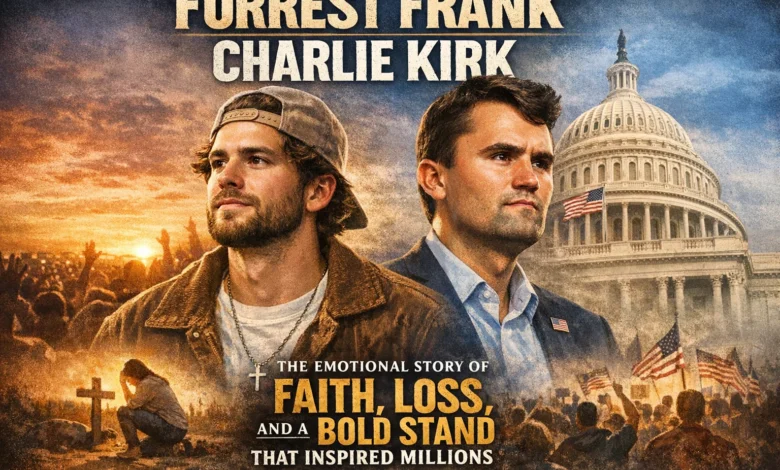
In a world where social media often rewards silence or careful wording, one Christian singer decided to speak from the heart after a national tragedy. The story of Forrest Frank Charlie Kirk quickly went viral, touching millions who were already wrestling with questions of faith, fame, and what really matters. When conservative activist Charlie Kirk was tragically assassinated in September 2025, Forrest Frank did not stay quiet. Instead, he shared raw grief, pointed people to Jesus, and willingly watched tens of thousands of followers walk away. This moment became more than news—it became a powerful reminder that true influence comes from following Christ, not chasing numbers. Fans and critics alike are still talking about how Forrest Frank Charlie Kirk highlighted a deeper cultural shift happening among young believers today.
The connection between these two men started simply through music and encouragement. Charlie Kirk had publicly praised Forrest Frank’s songs for reaching Gen Z with biblical truth. But after the heartbreaking event at Utah Valley University, Forrest Frank felt he could not keep posting upbeat content without first addressing the loss. His Instagram videos captured tears, repentance, and a clear call to prioritize Jesus above everything else. What happened next surprised even him: thousands unfollowed, yet the message resonated far beyond his platform. This is the kind of story that sticks with you because it shows real courage in an age of performative faith.
People are searching for Forrest Frank Charlie Kirk because it represents more than one man’s reaction to tragedy. It shines a light on how Christian music is evolving, how politics and faith intersect, and how a single bold post can spark conversations about revival. In the following sections, we will explore the backgrounds of both men, the details of that fateful day, Forrest Frank’s heartfelt response, and the lasting impact this moment is having on the Christian community. Whether you are a longtime fan of worship music or just curious about the buzz, this story offers encouragement and challenge for anyone trying to live out their beliefs in public.
Who Is Forrest Frank? The Rise of a Gen Z Christian Music Sensation
Forrest Frank grew up in Fulshear, Texas, surrounded by music from a young age. His mom served as a worship leader, and his grandmother even wrote children’s songs, so faith and melody were part of everyday life. But Forrest did not start out aiming for the Christian charts. He first found success as one half of the pop duo Surfaces, scoring hits that landed on the Billboard Hot 100 and even collaborating with legends like Elton John. That early career taught him how to craft catchy, feel-good tracks that connect with wide audiences.
Everything changed when Forrest Frank felt a pull toward creating music that pointed directly to Jesus. He left the pop scene behind and launched into solo Christian work under his full name. Albums like Child of God exploded onto the scene, topping Billboard’s Christian charts for weeks and earning a Grammy nomination. Songs such as “Good Day” and “No Longer Bound” blended upbeat grooves with honest lyrics about surrender and hope. What sets Forrest Frank apart is his desire to make “cool Christian music” that Gen Z actually wants to blast in their cars or at parties. He has said repeatedly that he wants kids to feel excited about faith without it feeling outdated or preachy.
His producer background shines through in every release. Layered beats, infectious hooks, and thoughtful theology come together in a way that feels fresh yet rooted in Scripture. Millions stream his music daily, and his live shows create spaces where the Holy Spirit moves powerfully. Before the events involving Forrest Frank Charlie Kirk unfolded, he was already building a reputation as an artist who stays authentic. He openly shares struggles with lukewarm living and calls fans to deeper commitment. That same honesty would later define his response to tragedy, proving that his platform was never about self but always about pointing upward.
Fans love how approachable Forrest Frank remains. He interacts genuinely on social media and keeps his content real instead of polished for likes. This foundation of integrity made his later stand even more powerful. When he chose to grieve publicly and declare “Jesus Christ is Lord” despite the cost, it aligned perfectly with the message woven through his entire catalog. Young listeners especially resonate because they see someone their age refusing to compromise. Forrest Frank’s journey from pop stardom to Christian trailblazer shows that God can redirect any path for His glory, and his story continues inspiring creators who want to blend excellence with eternal truth.
The Life and Legacy of Charlie Kirk: A Voice for Young Conservatives
Charlie Kirk built his influence from the ground up as a teenager. Co-founding Turning Point USA in 2012, he created an organization dedicated to empowering young people with conservative values and biblical principles. What started as a small campus group grew into a national movement reaching millions through events, podcasts, and social media. Kirk’s energetic speaking style and willingness to tackle tough cultural issues made him a favorite among students seeking an alternative to mainstream narratives.
By his early thirties, Charlie Kirk had authored books, hosted a daily radio show, and spoken at countless universities. He emphasized personal responsibility, faith in God, and the importance of engaging culture rather than withdrawing from it. Kirk often highlighted how Christianity shapes good citizenship and strong families. His fatherhood of two young children added a relatable layer—many saw him not just as an activist but as a family man living out his convictions.
One of Kirk’s passions involved spotting cultural trends, including the surprising rise of Christian interest among younger generations. In videos that later connected directly to Forrest Frank Charlie Kirk moments, he celebrated how faith-based music was topping charts and drawing Gen Z back to church. Kirk praised artists who kept lyrics grounded in Scripture while making them accessible. He saw this as evidence of a spiritual awakening, something he believed could transform the nation. His bold voice encouraged believers to stand firm even when facing opposition.
Kirk’s legacy includes mobilizing voters and challenging students to think critically about worldview issues. Supporters remember his passion for life, liberty, and limited government rooted in Judeo-Christian ethics. Critics sometimes pushed back on his style, but few questioned his commitment. The tragic loss of Charlie Kirk at such a young age left a void, yet his words about revival and the power of truth continue echoing. In the context of Forrest Frank Charlie Kirk, that praise Kirk gave to Christian artists like Frank took on new meaning, showing how one leader’s encouragement can ripple outward in unexpected ways during times of grief.
The Shocking Assassination of Charlie Kirk at Utah Valley University
On September 10, 2025, the campus of Utah Valley University in Orem, Utah, hosted what should have been an ordinary Turning Point USA event. Thousands gathered outdoors to hear Charlie Kirk speak during a debate-style gathering. The atmosphere buzzed with energy until a single gunshot rang out around 12:23 p.m. Mountain Time. A shooter positioned on a nearby rooftop fired from about 142 yards away, striking Kirk in the neck. Chaos erupted as attendees dropped to the ground and emergency responders rushed in.
Kirk was transported to a local hospital but was pronounced dead shortly after. The shooter, later identified as 22-year-old Tyler James Robinson from Washington, Utah, fled the scene before surrendering the next day. Authorities charged him with aggravated murder and other felonies, and the case drew national attention with calls for the death penalty. The FBI quickly released photos and video footage, urging the public for tips while evidence like shoe prints and DNA linked the suspect to the rooftop.
The assassination sent shockwaves through political and faith circles alike. Utah Valley University paused classes for days to allow mourning and counseling. Community leaders expressed heartbreak over losing such a vibrant voice at a time when young people needed guidance more than ever. Friends and family described Kirk as a devoted husband and father whose work stemmed from genuine love for the next generation. In the immediate aftermath, many turned to prayer, asking for comfort for the Kirk family and wisdom amid national division.
This tragic day set the stage for Forrest Frank Charlie Kirk to become a trending topic. When news reached artists and influencers, responses varied, but Forrest Frank felt compelled to pause his usual content. The heaviness he described in later videos matched what countless others felt—a sense that something significant had shifted in the spiritual atmosphere. The event forced people across the country to confront questions about violence, purpose, and the urgency of faith. While the investigation continued and court dates loomed, the focus for many believers turned toward hope and the message Kirk himself had championed throughout his life.
Forrest Frank’s Viral Instagram Response to the Tragedy
Forrest Frank initially planned to stay silent and keep posting regular music updates. But something inside would not let him. On September 11, 2025, he uploaded an Instagram reel that changed everything. The video opened with a clip of Charlie Kirk praising Christian music, including Frank’s own work, for fueling a revival among young people. Kirk called the surge “undoubtable” and highlighted how artists like Forrest Frank were creating biblically solid tracks that Gen Z loved.
As the clip played, Forrest Frank appeared visibly moved. Tears filled his eyes while he spoke directly to the camera. He explained that he could not keep sharing upbeat songs without first addressing the assassination. “Praying and grieving for the Kirk family and their loss,” he said. “Jesus please come back soon.” The raw emotion struck a chord immediately. The post gathered nearly a million likes and thousands of comments from people who appreciated the honesty. Forrest Frank Charlie Kirk suddenly trended as believers shared the video across platforms.
In the caption, Forrest Frank kept it simple yet profound. He admitted feeling uncomfortable using his platform for anything less than truth during such a heavy time. That single reel captured what many felt but struggled to express: grief mixed with hope in Christ’s return. The message resonated because it came from someone known for joyful music now willing to sit in sorrow. Followers praised his vulnerability, noting how rare it is for influencers to prioritize mourning over metrics.
This first response set the tone for everything that followed. Forrest Frank did not script a polished statement or hire a PR team. He simply shared what was on his heart. The video of Charlie Kirk praising his music made the connection personal, turning a public tragedy into a moment of shared faith. People who had never heard of Forrest Frank before suddenly discovered his catalog and the deeper message behind it. The Instagram post became a turning point, showing that even in loss, God can use stories to draw people closer to Him.
Losing 30,000 Followers: Forrest Frank’s Uncompromising Stand for Jesus
A few days after the initial video, Forrest Frank posted another update that sparked even more conversation. He revealed that roughly 30,000 people had unfollowed his Instagram account after he spoke about Charlie Kirk. Rather than expressing regret or trying to win them back, he responded with clarity and conviction. “Thirty thousand people unfollowed me because I posted about Charlie Kirk and I said that Jesus Christ is Lord,” he stated. “Good. I don’t want you to follow me if you don’t follow Jesus.”
The follow-up reel continued with a direct challenge. Forrest Frank explained that he no longer wanted fans showing up at concerts or streaming his music unless their hearts were surrendered to Christ. He called for repentance and urged viewers to drop to their knees if they had not yet made peace with God. “The hour is at hand,” he warned, echoing biblical urgency. The caption reinforced the point: “I don’t care if you follow me, but I do care if you follow Jesus.” He even repented publicly for times his platform had felt lukewarm.
This honest admission about losing followers turned into one of the most shared moments in recent Christian media. Supporters flooded the comments with encouragement, calling Forrest Frank brave and biblical. One fan wrote, “GO FORREST GO!!!!!! THIS MADE ME SMILE.” Another added, “Wrong is wrong and you got to stand for what’s right even when they hate you for it.” The positive feedback far outweighed the unfollows in impact. Forrest Frank Charlie Kirk discussions exploded as people debated whether losing followers for faith is actually a win.
What made the stand powerful was its simplicity. Forrest Frank did not attack those who left. He simply released them with love and refocused on the only thing that matters eternally. This approach mirrored Jesus’ own words in John 6 when many disciples walked away. By prioritizing truth over numbers, Forrest Frank modeled the kind of leadership many young Christians crave. His willingness to lose popularity for the sake of the gospel refreshed believers tired of watered-down messages. The moment reminded everyone that platforms are temporary, but allegiance to Christ lasts forever.
Debuting “Jesus Is Coming Back Soon”: Forrest Frank’s New Song of Hope
Just days after the follower update, Forrest Frank sat on his bed with a keyboard and shared a clip of an unreleased song. Titled around the theme “Jesus Is Coming Back Soon,” the track captured the same heaviness he described earlier. Lyrics like “Get a house just to lay in a bed so we can scroll a phone till we’re sick in the head / We’re all throwing stones till somebody is dead” painted a picture of modern distraction and conflict. Then the chorus shifted to hope: “But I wonder what we’d do if we knew / Jesus is coming back soon.”
He held the final note with visible emotion, repeating the title phrase. The video displayed lyrics on screen so viewers could sing along immediately. Forrest Frank did not explain every line, but the connection to recent events felt clear. The “something shifted in the air” referenced in the song echoed his earlier comments about the spiritual atmosphere changing after Charlie Kirk’s death. Fans quickly connected the dots, seeing the new release as a direct response to tragedy turned into worship.
This debut became another viral hit. Listeners shared how the song comforted them amid national grief. The blend of honest observation and eternal hope matched Forrest Frank’s signature style—catchy yet convicting. Many noted how perfectly it fit the Forrest Frank Charlie Kirk narrative, turning sorrow into anticipation of Christ’s return. The release showed growth in his artistry; even in pain, he channeled energy into music that points upward.
Supporters flooded his page with requests for the full track. The song’s message aligned with Kirk’s own emphasis on revival and urgency. Together, the posts and new music created a mini-movement encouraging believers to live ready. Forrest Frank proved once again that his gift serves a higher purpose. In a culture quick to move on from tragedy, this anthem invited people to pause, reflect, and prepare their hearts.
The Intersection of Faith and Politics: Charlie Kirk’s Praise for Forrest Frank’s Music
Before the assassination, Charlie Kirk had recorded a video highlighting the rise of Christian interest in America. He specifically called out artists like Forrest Frank for making music that is “pretty biblically good” and focused on submitting to God’s will. Kirk described a “surge” where Christian tracks dominated Gen Z playlists. He saw this as evidence of revival happening right now, not someday in the future.
When Forrest Frank shared that clip in his first response video, the connection between Forrest Frank Charlie Kirk became personal. Kirk’s words validated the hard work Frank poured into his craft. It showed two men from different spheres—music and activism—united by a shared passion for seeing young people encounter Jesus. Politics aside, the praise centered on eternal values rather than partisan points.
This intersection matters because it demonstrates how faith can bridge different callings. Kirk’s platform reached political audiences while Forrest Frank’s music touched emotional and spiritual ones. When tragedy struck, the praise clip took on deeper meaning. It became a final public endorsement that amplified Forrest Frank’s message during mourning. Many viewers remarked how beautiful it was that Kirk’s last public comments on culture involved lifting up worship artists.
The moment challenged listeners to look beyond labels. Whether conservative, liberal, or apolitical, the call to follow Jesus stands above everything. Forrest Frank Charlie Kirk conversations often circled back to this unity in Christ. The story reminds us that God uses diverse voices—activists, singers, everyday believers—to accomplish His purposes. Their brief but impactful connection continues encouraging cross-generational and cross-cultural faith conversations.
How the Forrest Frank Charlie Kirk Moment Sparked Conversations on Gen Z Revival
The events surrounding Forrest Frank Charlie Kirk ignited fresh discussions about spiritual hunger among younger generations. Charlie Kirk had already noted the trend, and Forrest Frank’s response added fuel by showing what authentic faith looks like under pressure. Suddenly, pastors, youth leaders, and parents were sharing articles and videos about the “surge” in Christian music and church interest.
Gen Z faces unique challenges—social media pressure, mental health struggles, cultural confusion—but many are responding with genuine pursuit of Jesus. Forrest Frank’s music provides a soundtrack for that search, while his stand after the assassination models courage. Young people relate to an artist who admits imperfection yet refuses to stay lukewarm. The unfollow incident became a teaching tool in small groups nationwide, illustrating that popularity is not the goal.
Churches reported increased attendance and questions about end-times hope after the song release. The phrase “Jesus is coming back soon” trended in youth ministry circles. Parents appreciated how Forrest Frank kept the focus on repentance rather than politics. The story of Forrest Frank Charlie Kirk gave tangible proof that revival does not require perfect circumstances; it requires surrendered hearts.
This cultural moment also highlighted the power of social media for good. One post reached millions who might never attend a concert or rally. It sparked organic conversations at dinner tables and coffee shops. Believers young and old began asking each other, “Can you feel the shift too?” The revival Kirk celebrated and Frank amplified feels tangible because real people are living it out publicly. The story continues motivating churches to create space for honest questions and bold worship.
Public Reactions and the Lasting Support for Forrest Frank
Reactions to Forrest Frank’s posts poured in from every direction. Christian leaders like Franklin Graham shared the story, praising the singer for prioritizing Jesus over followers. Everyday fans left comments full of encouragement and personal testimonies. Many described feeling convicted to examine their own social media habits and faith priorities.
Some critics accused Forrest Frank of using tragedy for attention, but the overwhelming response stayed positive. People appreciated his refusal to stay silent or vague. The 30,000 lost followers became a badge of honor in many circles, proving that standing for truth often costs something visible. Supporters started using hashtags related to the story to spread the message further.
Christian media outlets covered the developments extensively, noting how the new song and videos aligned with biblical calls to urgency. Worship communities began incorporating Forrest Frank’s tracks into services, seeing them as timely for the season. The public support reinforced that authenticity still wins hearts even when algorithms punish boldness.
Long-term, this wave of encouragement seems to be strengthening Forrest Frank’s resolve. He continues creating music with the same passion, now with an even clearer focus on eternal things. Fans report feeling closer to God after engaging with his content. The story of Forrest Frank Charlie Kirk transformed from a single event into a movement of renewed commitment across the body of Christ.
Lessons from Forrest Frank Charlie Kirk on Living Faith Boldly in Public
The entire narrative offers practical lessons for anyone with a platform or influence. First, grief and faith can coexist. Forrest Frank showed it is okay to cry and still declare hope in Christ’s return. Second, numbers do not define success. Losing followers for truth proved liberating rather than devastating. Third, repentance refreshes. His public admission of past lukewarm living modeled humility that draws people in.
Another takeaway involves using pain for purpose. Instead of canceling events or going dark, Forrest Frank channeled emotion into new music that comforts others. The story encourages believers to speak up even when it feels risky. In a divided culture, focusing on “Jesus Christ is Lord” cuts through noise and unites hearts around what matters most.
Parents and leaders can use this as a discussion starter with teens. It shows the cost and reward of authenticity. Young creators especially benefit from seeing how excellence and conviction pair beautifully. The Forrest Frank Charlie Kirk example reminds us all that our greatest legacy will not be likes or streams but lives changed by the gospel.
Ultimately, the lesson circles back to urgency. Both men’s stories highlight that tomorrow is not promised. Kirk’s sudden passing and Frank’s response together whisper the same invitation: get your heart right today. These lessons continue shaping conversations long after the initial posts faded from trending lists.
Timeline of Key Events in the Forrest Frank Charlie Kirk Story
| Date | Event |
|---|---|
| September 10, 2025 | Charlie Kirk assassinated at Utah Valley University |
| September 11, 2025 | Forrest Frank posts first emotional Instagram reel |
| September 13-14, 2025 | Follow-up video reveals 30,000 lost followers and bold message |
| September 16-17, 2025 | Forrest Frank debuts clip of new song “Jesus Is Coming Back Soon” |
| Ongoing | Continued impact on Christian music, revival discussions, and faith |
This simple table helps readers track how quickly the story unfolded and its ongoing ripple effects.
“Thirty thousand people unfollowed me because I posted about Charlie Kirk and I said that Jesus Christ is Lord. Good. I don’t want you to follow me… follow Jesus Christ, the King of all kings.” — Forrest Frank
“There’s something happening right now, and it’s a revival.” — Charlie Kirk praising Christian artists including Forrest Frank
“Jesus please come back soon.” — Forrest Frank in his first response video
These quotes capture the heart of the moment and continue encouraging readers years later.
Conclusion
The story of Forrest Frank Charlie Kirk reminds us that God works through every season, including seasons of loss. What began as a tragic assassination became a catalyst for deeper faith conversations, renewed worship, and bold declarations of truth. Forrest Frank’s willingness to risk popularity for the sake of the gospel sets an example worth following. Charlie Kirk’s legacy of encouraging young believers lives on through the very music he celebrated.
As we reflect on everything that unfolded, the central message stands clear: follow Jesus above all else. Platforms, numbers, and even cultural influence remain secondary to knowing and making known the One who is coming back soon. This narrative continues unfolding in new songs, changed lives, and fresh revival fire spreading among Gen Z and beyond. May it stir each of us to live with the same urgency, honesty, and love that defined these powerful moments. Jesus is Lord, and that truth changes everything.
FAQ
What exactly happened in the Forrest Frank Charlie Kirk story?
Forrest Frank Charlie Kirk refers to the powerful connection that emerged after Charlie Kirk’s assassination in September 2025. The Christian singer shared a video of Kirk praising his music, expressed deep grief, and called for people to follow Jesus. He later lost 30,000 Instagram followers for the post but responded by saying he cared more about genuine faith than popularity. The moment included a new song about Christ’s return and sparked widespread conversations about revival.
Why did Forrest Frank lose so many followers after posting about Charlie Kirk?
Forrest Frank openly shared that 30,000 people unfollowed him because he declared “Jesus Christ is Lord” while mourning Charlie Kirk. Instead of feeling upset, he welcomed the clarity it brought. His message emphasized that true connection with his platform requires a relationship with Jesus first. The response highlighted his commitment to authenticity over audience size.
What is the new song Forrest Frank released after the Charlie Kirk events?
Forrest Frank debuted a heartfelt track centered on the phrase “Jesus Is Coming Back Soon.” The lyrics address modern distractions, cultural heaviness, and the hope of Christ’s return. He performed a clip from bed with keyboard accompaniment, and fans immediately connected the song’s themes to the spiritual shift felt after the assassination. It quickly became another tool for worship and reflection.
How did Charlie Kirk influence Forrest Frank before the tragedy?
Charlie Kirk publicly praised Forrest Frank’s Christian music for its biblical depth and appeal to Gen Z. In a video that Forrest Frank later shared, Kirk described a surge in Christian interest and highlighted how artists like Frank were helping fuel revival. This encouragement created a meaningful link between the activist’s work and the singer’s ministry long before the tragic events.